


Omnichannel CRM for HCP engagement is becoming essential for pharmaceutical companies that need consistent, compliant, and personalized communication.
Pharma teams now operate in an environment where engagement must be fast, connected, and strategically coordinated across every channel. As the healthcare landscape grows more complex, pharma companies need scalable systems that provide a seamless, connected experience for every HCP.
Therefore, omnichannel CRM ensures continuity, relevance, and timely decision-making across all interactions.
According to the FDA’s guidance on prescription drug advertising (https://www.fda.gov/drugs/information-consumers-and-patients-drugs/prescription-drug-advertising), pharmaceutical engagement must remain accurate, consistent, and traceable—something omnichannel CRM workflows help enforce.
What Is Omnichannel CRM for HCP Engagement?
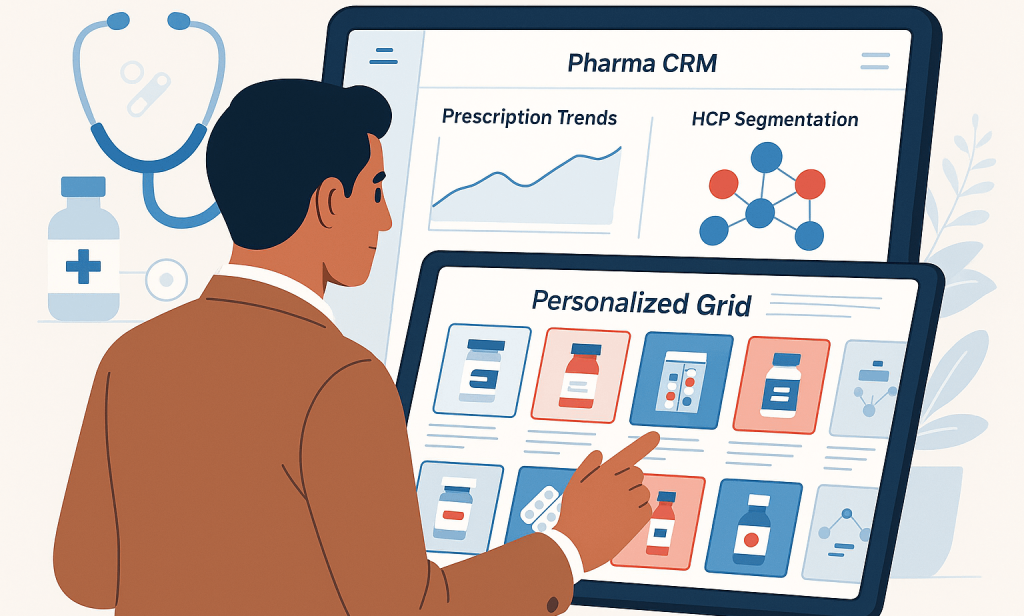
Omnichannel CRM connects every touchpoint into a single system. It unifies email, phone calls, virtual meetings, face-to-face interactions, websites, and social channels. This gives commercial teams a full view of each HCP, allowing them to communicate with consistency and accuracy.
Unlike traditional CRM structures, omnichannel CRM ensures that channels work together. Consequently, HCPs receive a coherent experience no matter how they choose to engage.
Why Omnichannel CRM Matters for Pharma
1. Consistency and Relevance Across All Touchpoints
HCPs expect information that is accurate, timely, and aligned with their needs. When interactions are fragmented, messages lose impact. However, an omnichannel CRM centralizes communication and ensures that each touchpoint reinforces the previous one.
As a result, HCPs receive a relevant experience that reflects their specialty, interests, and behaviors.
2. Data-Driven Personalization
Omnichannel CRM captures detailed insights from emails, visits, website activity, and social interactions. These insights reveal what each HCP values, prefers, and responds to.
Moreover, Close-Up CRM uses predictive analytics to tailor communication and deliver content through the most effective channels. Therefore, teams achieve higher engagement and improved conversion rates.
3. Greater Efficiency and Elimination of Redundancies
Siloed systems create operational friction. Instead, omnichannel CRM places everything in one platform, reducing manual work and duplicated outreach.
With Close-Up CRM, teams work faster and make more informed decisions, since they always know the latest interaction history and next steps. For example, commercial teams can quickly identify engagement gaps and address them with targeted outreach.
Learn more in our CRM Suite overview: https://closeupcrm.com/crm-suite/
4. Meeting HCPs on Their Preferred Channels
Every HCP has communication preferences. Omnichannel CRM respects those choices and delivers messages on the channels they engage with most. Because of this, engagement increases, response rates improve, and relationships strengthen over time.
Additionally, omnichannel CRM for HCP engagement ensures that teams adapt to individual preferences with accuracy and speed.
5. Real-Time Adaptation for Competitive Advantage
Omnichannel CRM tracks real-time interactions and alerts teams when an HCP shows new interest. Consequently, commercial teams can react quickly and offer timely, relevant content. This agility allows companies to stay ahead of competitors and capture opportunities faster.
Furthermore, omnichannel CRM for HCP engagement helps align engagement strategies with dynamic market needs.
Key Features of Omnichannel CRM
Unified communication platform integrating all channels. Automated workflows that trigger timely engagement. Advanced segmentation to deliver personalized outreach.
Real-time analytics to guide commercial actions and decisions.
How Omnichannel CRM Drives Pharmaceutical Sales
Omnichannel CRM delivers measurable commercial benefits. Higher engagement occurs due to consistent, relevant communication. Smarter sales decisions develop because teams rely on live insights instead of fragmented data.
Stronger long-term HCP relationships grow through personalization and continuity across channels. With Close-Up CRM, pharma teams move with more confidence and clarity. Moreover, omnichannel CRM for HCP engagement supports field, medical, and marketing teams with actionable insights.
Conclusion
An omnichannel CRM strategy is essential for maintaining a competitive advantage in today’s pharmaceutical market. Because HCP expectations continue to rise, companies must unify their communication, personalize interactions, and work with agility.
Close-Up CRM helps teams deliver these outcomes by connecting every channel, optimizing every touchpoint, and supporting data-driven decisions.
Request a demo to transform your HCP engagement strategy: https://closeupcrm.com/demo